

June Collision Repair GTA: Summer Parking Lots, Construction Lanes, and Weekend Trips

June changes how many GTA drivers use their vehicles: more evening plans, more construction detours, busier shopping plazas, and weekend trips that start before small damage has been checked. A light scrape or low-speed bump can feel easy to postpone until rain, heat, or a longer drive exposes why it needed attention.
For GTA drivers heading into June traffic, construction detours, parking-lot congestion, and weekend road trips, YST Auto Body's Mississauga and Scarborough locations matter because the repair decision has to fit the actual situation: Seasonal June guide centred on construction lanes, heat/rain effects, travel readiness, and practical triage rather than May rain/pothole checklist content.
In this GTA repair guide
What June Changes About Collision Risk in the GTA
June brings longer daylight, busier lots, construction narrowing, sudden storms, and more vehicles moving between Mississauga, Scarborough, Toronto, cottage routes, and airport corridors. The risk is often low-speed damage that seems too small to interrupt plans.
That timing matters because a driver may put hundreds of kilometres on the car before a loose liner, cracked bumper tab, exposed paint edge, or misaligned light is inspected. Summer convenience should not turn a small repair into a roadside problem.
Across the GTA, a vehicle may move from city traffic to highway speed and weekend travel in the same day, so small damage should be judged by how it behaves under vibration, weather, and longer use, so when the discussion turns to what june changes about collision risk in the gta, the inspection should answer a practical question for GTA drivers heading into June traffic, construction detours, parking-lot congestion, and weekend road trips: what changes if the repair waits, and what becomes harder to prove or correct later?
The 10-Minute Walkaround After a Small Summer Impact
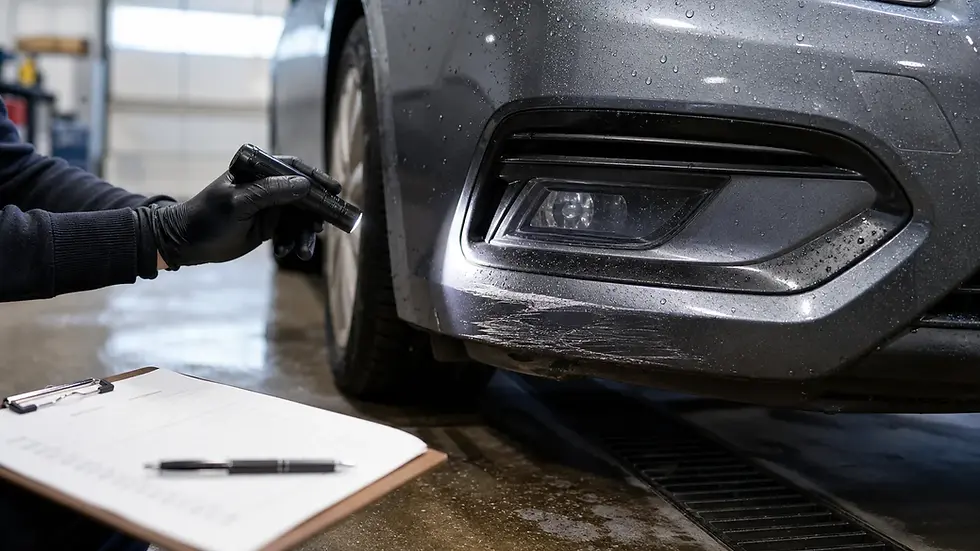
After a bump, park safely and walk around the vehicle before driving away for the weekend. Look for rubbing tires, hanging splash shields, cracked lamps, loose bumper corners, sharp metal edges, broken glass, fluid drips, and doors or hoods that do not close normally.
Take photos before cleaning the vehicle. Capture wide shots, close-ups, licence plate area, road or parking context, and any contact marks. Those photos help the shop and insurer understand what happened even if dust, rain, or a wash changes the surface later.
Across the GTA, a vehicle may move from city traffic to highway speed and weekend travel in the same day, so small damage should be judged by how it behaves under vibration, weather, and longer use, so when the discussion turns to the 10-minute walkaround after a small summer impact, the inspection should answer a practical question for GTA drivers heading into June traffic, construction detours, parking-lot congestion, and weekend road trips: what changes if the repair waits, and what becomes harder to prove or correct later?
Seasonal timing does not change the repair fundamentals, but it changes how long the driver can safely postpone action before heat, rain, travel, and road vibration add avoidable risk; for the June collision repair GTA section on the 10-minute walkaround after a small summer impact, a useful estimate should identify what is confirmed, what is conditional, and what would change after closer access, because customers make better decisions when uncertainty is named early.
June urgency tiers helps connect the visible condition to a repair conversation the customer can actually use.
June urgency tiers | |||
Situation | Action | Reason | Repair timing |
Broken lamp or blocked windshield | Do not continue normal driving | Visibility and legality may be affected | Immediate assistance |
Loose bumper corner before highway trip | Have it inspected before travel | Wind and vibration can worsen attachment damage | Same week |
Paint chip down to metal | Book assessment and protect area | Moisture and washing can expand corrosion risk | This month |
Door ding with intact paint | Confirm whether PDR is possible | Repair options are better before scratches appear | Planned estimate |
Light clear-coat transfer | Ask whether polishing is enough | May not need repainting | Monitor after professional opinion |
Do Now, Plan This Month, or Watch Closely
Not every June body repair is an emergency. The useful decision is sorting damage into what needs immediate action, what should be booked this month, and what can be monitored until a proper estimate.
Immediate action includes unsafe lighting, glass, steering, tire rub, fluid leaks, or loose panels. Planned repair includes exposed paint, cracked trim, dented panels, and bumper damage that appears stable. Watching closely only makes sense when the shop has confirmed the issue is superficial.
Across the GTA, a vehicle may move from city traffic to highway speed and weekend travel in the same day, so small damage should be judged by how it behaves under vibration, weather, and longer use, so when the discussion turns to do now, plan this month, or watch closely, the inspection should answer a practical question for GTA drivers heading into June traffic, construction detours, parking-lot congestion, and weekend road trips: what changes if the repair waits, and what becomes harder to prove or correct later?
Seasonal timing does not change the repair fundamentals, but it changes how long the driver can safely postpone action before heat, rain, travel, and road vibration add avoidable risk; for the June collision repair GTA section on do now, plan this month, or watch closely, photos, notes, and a written scope are practical tools, not paperwork for its own sake; they help the customer, insurer, leasing company, or future buyer understand what happened and what was repaired.
June damage often gets postponed because the car still moves; that is exactly why a quick triage matters before longer trips.
Construction Lane and Parking-Lot Damage Patterns
Construction lanes often create side scrapes, mirror impacts, wheel-opening damage, and bumper-corner contact. Parking lots add door dings, bumper scuffs, cart marks, and backing damage. These patterns point to different inspections.
A side scrape may require paint and panel alignment checks; a backing impact may hide bumper absorber or sensor bracket concerns; a door ding may be a dent repair decision if the paint is intact. The damage pattern should guide the estimate.
Across the GTA, a vehicle may move from city traffic to highway speed and weekend travel in the same day, so small damage should be judged by how it behaves under vibration, weather, and longer use, so when the discussion turns to construction lane and parking-lot damage patterns, the inspection should answer a practical question for GTA drivers heading into June traffic, construction detours, parking-lot congestion, and weekend road trips: what changes if the repair waits, and what becomes harder to prove or correct later?
Seasonal timing does not change the repair fundamentals, but it changes how long the driver can safely postpone action before heat, rain, travel, and road vibration add avoidable risk; for the June collision repair GTA section on construction lane and parking-lot damage patterns, factory-specification repair language is appropriate when fit, structure, safety-related mounting points, or repair procedure matter, while purely cosmetic work should still be honest about finish and durability.
For a broader view of available repair paths, review YST Auto Body's GTA collision and cosmetic repair services before deciding how urgent the next step should be.
How Heat, Dust, and Rain Affect Exposed Paint
Summer heat can make tar, dust, and contaminants stick to damaged paint. Sudden rain can carry debris into chips and scratches. If the scratch reaches primer or metal, waiting through a busy month can increase the preparation needed before refinishing.
The repair does not always need to happen the same day, but the owner should know whether the paint is sealed. A quick professional assessment can separate harmless clear-coat marks from damage that should not be left open through weather and washing.
Across the GTA, a vehicle may move from city traffic to highway speed and weekend travel in the same day, so small damage should be judged by how it behaves under vibration, weather, and longer use, so when the discussion turns to how heat, dust, and rain affect exposed paint, the inspection should answer a practical question for GTA drivers heading into June traffic, construction detours, parking-lot congestion, and weekend road trips: what changes if the repair waits, and what becomes harder to prove or correct later?
Seasonal timing does not change the repair fundamentals, but it changes how long the driver can safely postpone action before heat, rain, travel, and road vibration add avoidable risk; for the June collision repair GTA section on how heat, dust, and rain affect exposed paint, the PPG paint system supports colour and finish planning, but the visible result still depends on surface preparation, blend strategy, panel alignment, and a final inspection under real lighting.
Summer damage pattern map helps connect the visible condition to a repair conversation the customer can actually use.
Summer damage pattern map | ||
Where it happened | Common damage | Inspection focus |
Construction merge | Side scrape, mirror hit, wheel arch mark | Panel alignment and paint depth |
Shopping plaza | Door ding, cart mark, bumper corner scuff | Dent shape and bumper tabs |
Cottage-route stop | Rear bumper scrape or trunk-edge impact | Lamp, latch, and bumper fit |
Airport or condo garage | Pillar scrape, rocker mark, lower trim crack | Paint break and trim attachment |
Stormy commute | Glass chip or debris mark | Visibility, sealing, and surrounding trim |
A summer scrape is less about the calendar and more about exposure: heat, rain, washing, and highway vibration all test weak areas.
When to Call for Towing or Accident Help
Call for help if the vehicle cannot be driven safely, if a panel is loose, if glass blocks visibility, if steering changes, or if the driver is unsure after a harder impact. YST's 24/7 accident assistance and towing assistance are relevant when the next step is unclear.
Avoid feeling forced into a repair decision at the scene. Record the facts, move the vehicle safely when possible, and choose a repair shop based on process, documentation, and trust rather than the closest pressure point.
Across the GTA, a vehicle may move from city traffic to highway speed and weekend travel in the same day, so small damage should be judged by how it behaves under vibration, weather, and longer use, so when the discussion turns to when to call for towing or accident help, the inspection should answer a practical question for GTA drivers heading into June traffic, construction detours, parking-lot congestion, and weekend road trips: what changes if the repair waits, and what becomes harder to prove or correct later?
Seasonal timing does not change the repair fundamentals, but it changes how long the driver can safely postpone action before heat, rain, travel, and road vibration add avoidable risk; for the June collision repair GTA section on when to call for towing or accident help, warranty discussion belongs before authorization, because the customer should know how qualifying repairs are covered and which exclusions or limits may apply to the specific job.
When timing matters, use the summer repair estimate booking to move from photos and questions to a scheduled estimate.
Preparing for Summer Travel After a Repair
Before a repaired vehicle heads out for a longer drive, review lights, panel fit, tire clearance, warning messages, wipers, glass, and paint finish. Ask about any cure-time guidance for fresh paint and whether washing or waxing should wait.
A good delivery conversation helps prevent avoidable problems during travel. The customer should leave knowing what was repaired, what warranty applies, and what to monitor over the first few drives in summer heat and rain.
Across the GTA, a vehicle may move from city traffic to highway speed and weekend travel in the same day, so small damage should be judged by how it behaves under vibration, weather, and longer use, so when the discussion turns to preparing for summer travel after a repair, the inspection should answer a practical question for GTA drivers heading into June traffic, construction detours, parking-lot congestion, and weekend road trips: what changes if the repair waits, and what becomes harder to prove or correct later?
Seasonal timing does not change the repair fundamentals, but it changes how long the driver can safely postpone action before heat, rain, travel, and road vibration add avoidable risk; for the June collision repair GTA section on preparing for summer travel after a repair, the final decision should balance safety, appearance, timing, ownership plans, insurance context, and how the vehicle will be used after the repair, not just the lowest number on a page.
The safest accident help gives the driver options instead of rushing the repair decision at the scene.
Comparable work is easier to judge when you can study the recent repair transformations gallery and then compare it with your own damage.
Before approving the repair, read the YST accident assistance background so the paperwork and expectations are clear.
FAQ About June collision repair GTA
Should I fix small body damage before a June road trip?
Fix or at least inspect damage if it affects lights, glass, panel attachment, tire clearance, paint exposure, or steering feel. If the issue is confirmed cosmetic, the shop can help you decide whether travel before repair is reasonable.
Can summer heat make paint damage worse?
Heat alone does not create rust, but exposed paint can collect contaminants and moisture through washing or storms. If primer or metal is visible, book an assessment rather than waiting through the season.
What photos should I take after parking-lot damage?
Take a wide shot of the vehicle location, close-ups of each damaged area, contact marks on the other object if appropriate, licence plate area, and any broken trim or glass. Keep the original timestamps if insurance may be involved.
When should I use towing assistance after a minor collision?
Use towing assistance if panels are loose, the vehicle leaks fluid, tires rub, lights are broken, glass blocks visibility, warning lights appear, or steering feels different. A minor-looking impact can still be unsafe to drive.
Can YST Auto Body inspect damage before I decide on insurance?
Yes. YST can assess visible damage, explain possible hidden concerns, and help you understand whether insurance documentation may be useful before you decide how to proceed.
Before a June weekend drive turns small damage into a bigger interruption, have YST Auto Body inspect the impact area and explain whether the vehicle is ready, repairable now, or better scheduled after documentation.


Comments